Showing posts with label gem squash. Show all posts

Friday, 27 January 2012

2011 saving money with a small garden


In 2011 I saved £172.45 through growing my own food.  With what I have learned over the last year I am sure I can increase that saving this year!

I only recorded savings between May to December as that was when I was initially inspired to find out how much I actually save with growing my own food.

May

In 2010 I hadn't really learnt to grow many things to eat over the winter months as yet with chard being my main winter crop so until May this was really all that was growing outside together with the perennial herbs.

The saving for this month was £2.21 which consisted of salads, herbs, peas, turnips and some cabbage.

June

Things were starting to pick up a bit in June and I was able to more than double those savings to £5.34.  The spring sowings were planted out and starting to crop.

Crops I was eating in June were salads made with kai lan, chard, nasturtium leaves, pea shoots, mustard leaves, squash flowers, etc.  I was making herbal teas with mint and lemon verbena.  My crop of early potatoes were ready to eat and the potato bag produced nearly a kilo of salad potatoes - now that was a crop I savoured!  I was also eating french beans and peas.

July

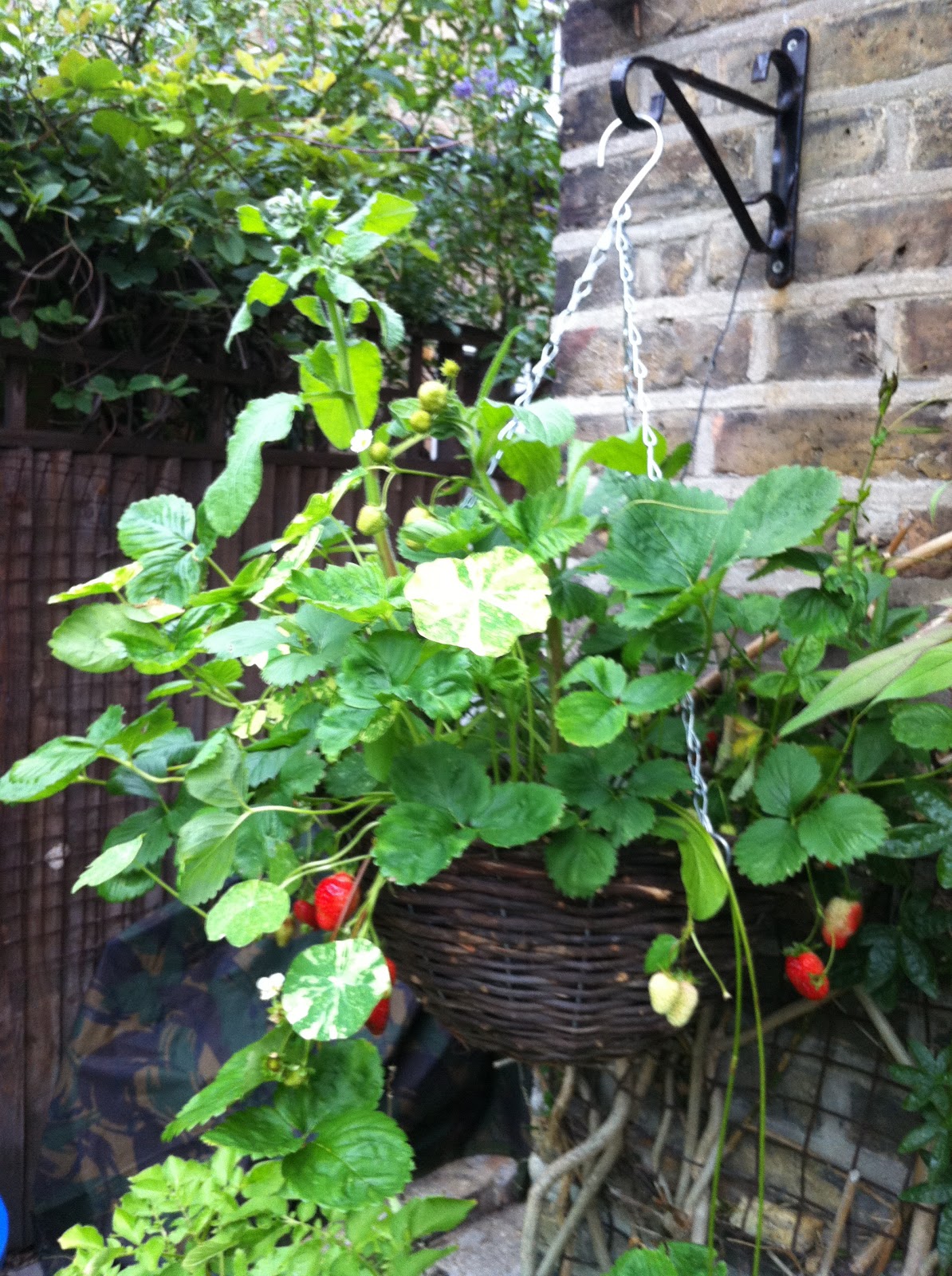
Savings continued to grow in July when I saved £7.90.  I had similar crops to June except for the potatoes - I was then waiting for my second batch of earlies which were being grown for my boyfriend's  rest & recouperation break from a tour in Cyprus in August.  There were also some new crops that came in to season: courgettes started to crop, patty pans and strawberries in hanging baskets.

August

The savings took a wapping jump to £72.51!  It includes gifts of 800g chard and 3kg of tomatoes saved from blighted crops which were given in return for volunteer gardening maintenance in a community garden.  As this was free food I included this in my savings.  In addition, it highlights one of the major benefits of joining or helping out in community gardens - free food!
What was eaten in June and July continued to crop and with the addition of  chillies and sweet peppers, aubergines and tomatoes.  Interestingly these are all in the same crop family - Solanaceae.


September

The savings were pretty similar to August coming in at £62.53.  Again, a little generosity inflated my crops as a friend gave me 500g windfall apples which I turned into my first ever jelly - it was delicious and set marvelously.  All the crops in season in August were still producing in September just slightly less prolifically.  We had a really hot week at the end of September/early October - unfortunately I had already removed my tomatoes due to the blight experienced in August which would have done really well in that heat.

October

Things really started to tail off this month at £15.81.   Although, keeping that saving value high were the winter squashes.  The summer in 2011 was disappointing with not much sun but in mid to late autumn, temperatures were remaining stable at about 15 degrees centigrade which was ideal weather for the winter squash to fully finish on their vines before being cropped.  With the mild weather, tomatoes and chillies were continuing to finish cropping and winter salad was starting to be substantial enough to eat.

November

The year was really starting wind down now with £6.17Chillies and sweet peppers were still cropping and kale, cabbage, kai lan, nasturtium, chard and winter salad were this month's crops.

 
It has been a brilliant exercise recording all my crops and their weights.  Its given me something solid to reflect on.  Through the data I can see which months things were cropping in a challenging summer with little sun.  It also made me realise what foods were expensive and which ones were less expensive.  It told me that with a container garden it makes more sense to grow the high value crops that I can get a good yield from.

For 2012, I have decided to capitalise each season on getting the most value from my plot.  I will grow the expensive Solanceae through the summer and concentrate more on brassica types through the winter.  I will grow what grows easily in pots and not invest too much space in those crops that don't fare well in pots.  I found turnips were a disaster and peas were difficult.  However, I think I will still grow a pot of peas as they are like sweets in the garden!

From the summer, I will be planning my winter crops better - I was starting to do this in late summer 2011, but I will give this more focus in 2012 and sow some kohl rabi good and early.  I will experiment with a different variety of kale to see if I can find a favourite as this grows so well in winter and I find it easier to grow in containers than cabbage.

Lets see if I learn from 2011's data and really improve my savings and crop yields this year.  Watch this space!

Here's the Spreadsheet if you would like to see the results in more detail.

Have you done an exercise to record your crops?  I'd love to hear of your experiences.

Monday, 1 August 2011

Gem Squash - The Intrepid Explorer


This year, I am trying to grow gem squash for the first time.

I was inspired to try growing them by some South Africans that I got into conversation with about 2am one morning.  We got onto the conversation of my passion of growing veg - a conversation that seems to occur rather regularly!!  Then they told me about a squash that was very readily available in South Africa but very difficult to find in the UK and they loved the taste of it.  They got the laptop googled "gem squash" to show me pictures of the squash.  Their enthusiasm for this vegetable inspired me and I added it to my seed wish list for this season's planting.

So now I have this lovely cucurbit growing in my back garden.

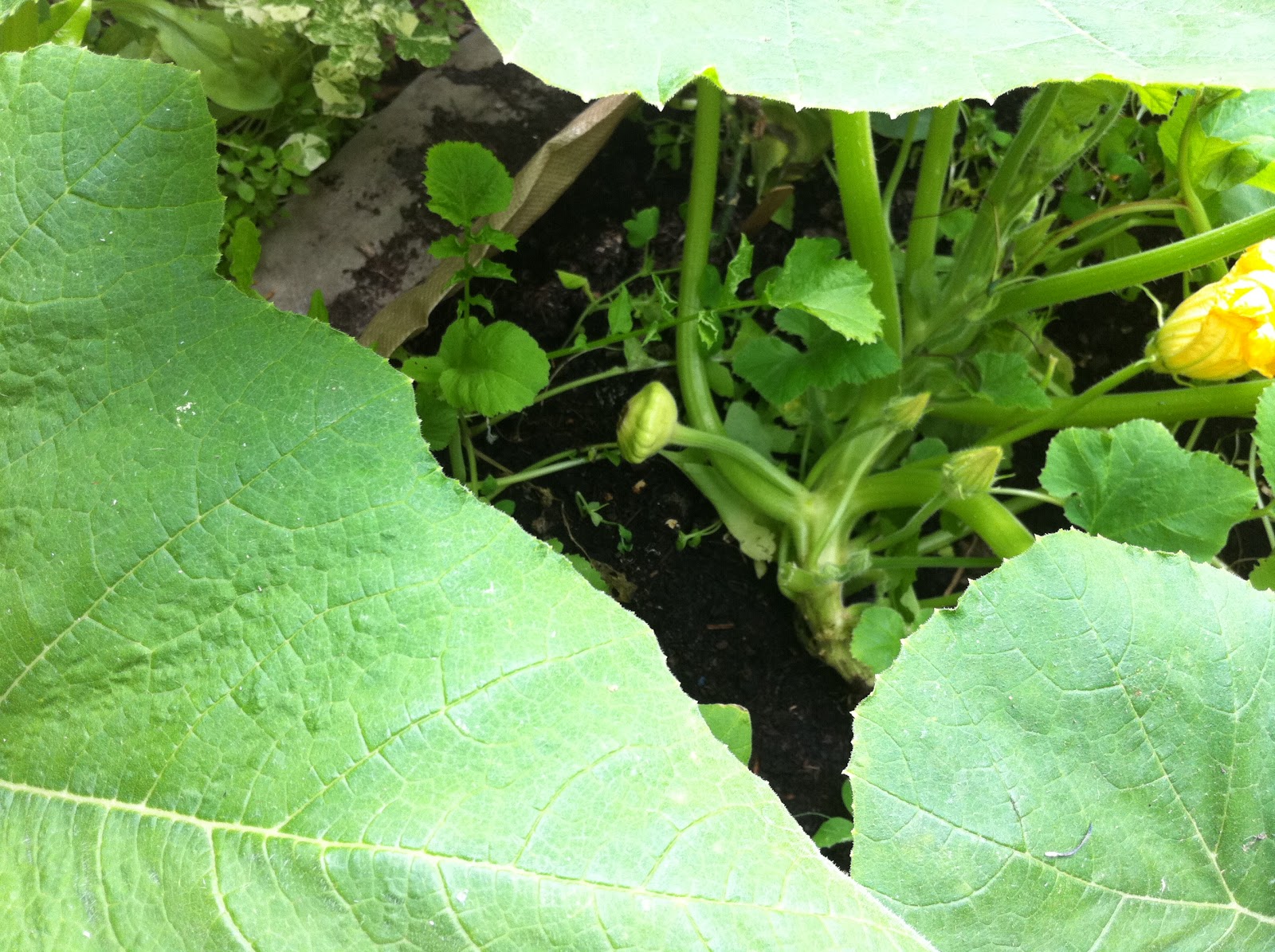
Its quite a small cucurbit plant.  The leaves are relatively modest compared to its neighbours. It is a cucurbita pepo and shares the same latin name as the courgette which is also a cucurbita pepo.
The gem squash germinated really easily with all seeds germinating.  It did try to keep them at around 18-20 degrees centigrade during germination and the soil moist not wet as cucurbit seeds do have a tendency to rot very easily if kept too damp.


Out of the 6 that I germinated, I kept 2 and gave the other 4 away to the community gardens I support through my Master Gardener volunteer role. 

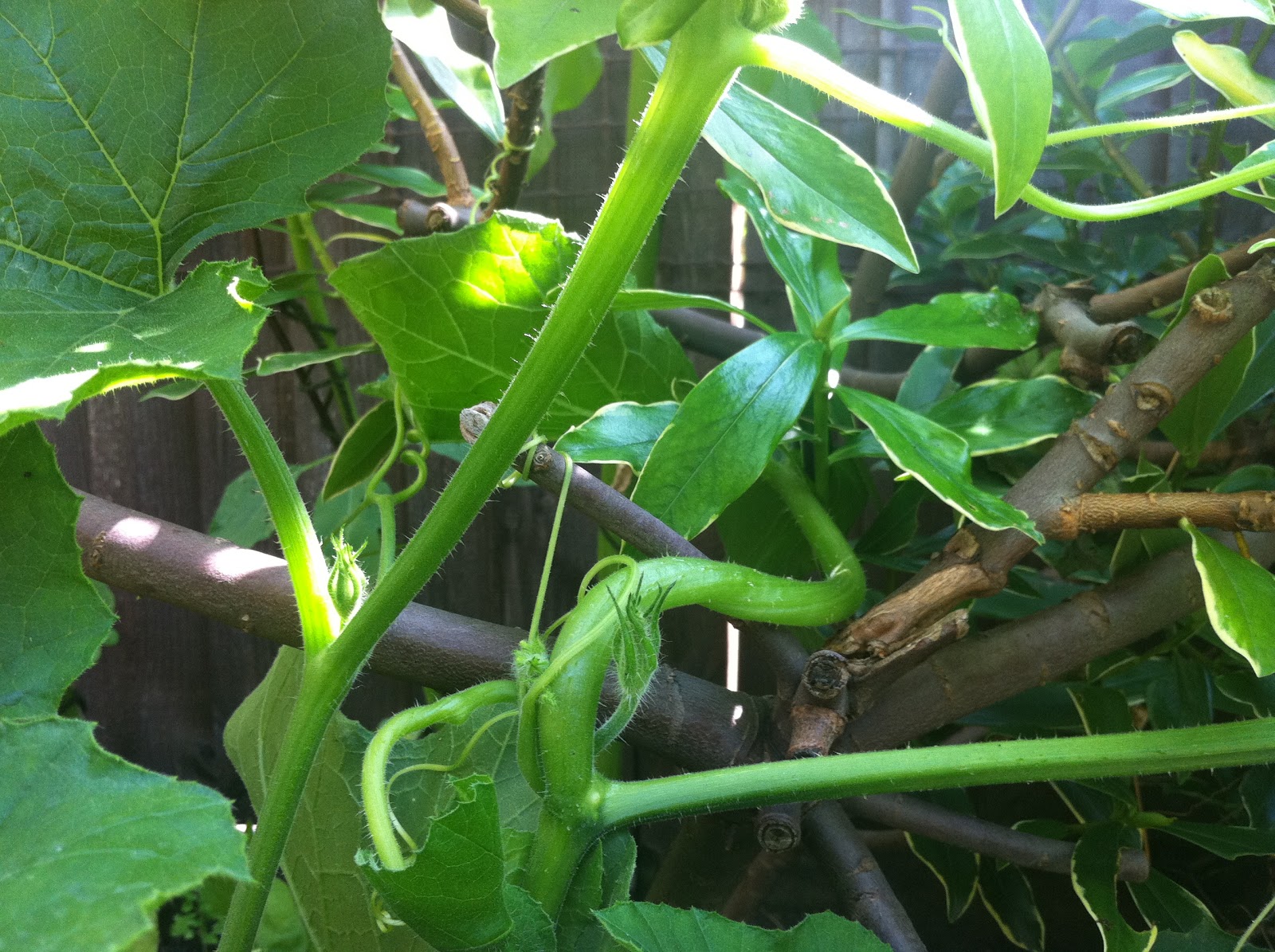
I did notice early on that they were developing into rather small squash plants but soon they were clambering all over the place, and started to crawl up my landlords shrubs.


I was very proud.  I love opportunistic veg!

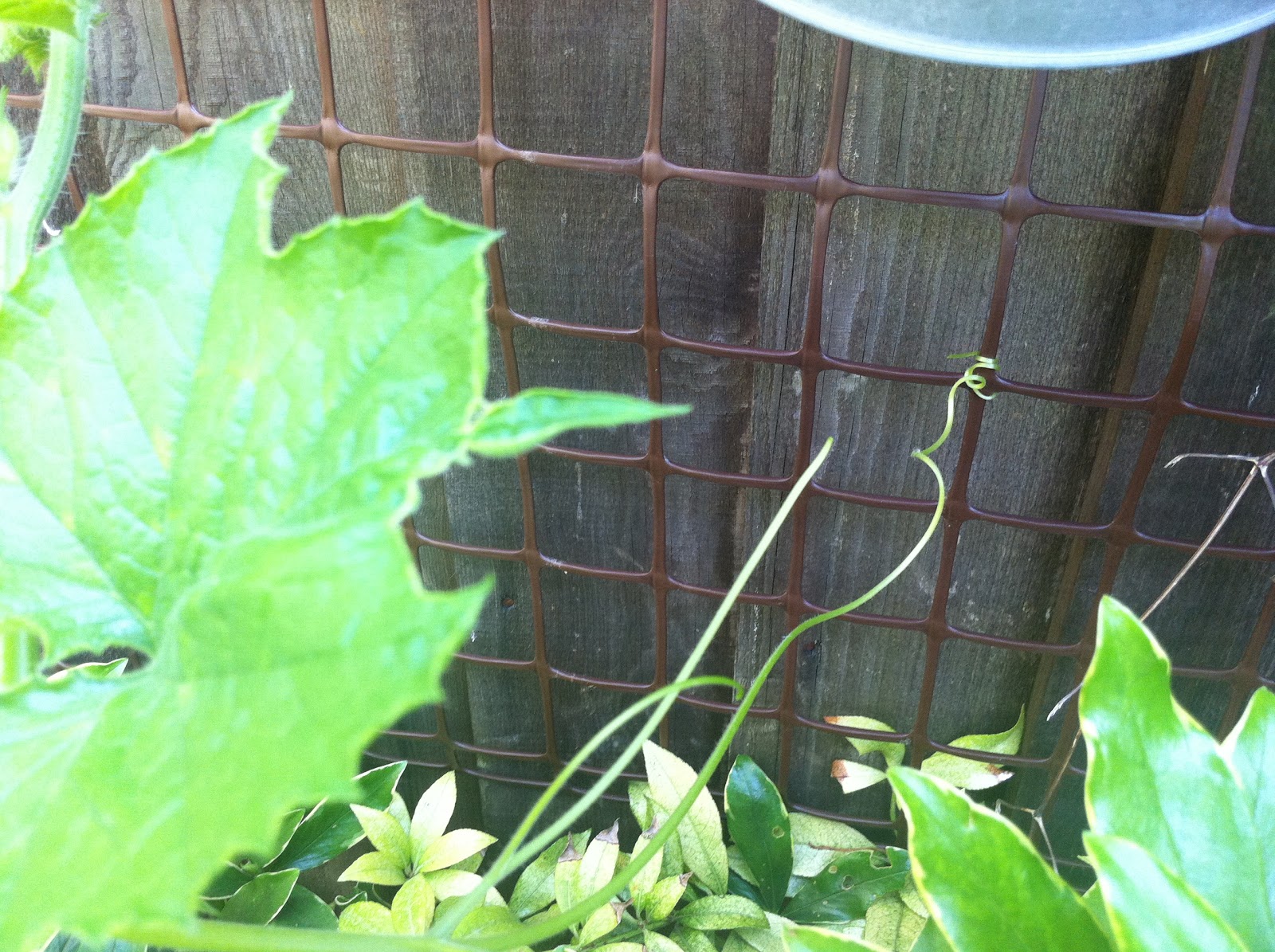
But this morning I noticed something even better...  The most gutsy out of the two plants has started to climb the netting on the garden fence.  Fantastic!!


I am really hoping that eventually they will start to climb the sunflowers... but we will have to see


I am really looking forward to cooking with their fruit, but until that time, they are certainly going to keep me very entertained with their climbing habits!

Friday, 29 July 2011

Passion for growing cucurbits


Every year I fall in love with my cucurbits all over again.  I've been growing 
them every year for the past 7 years.
 
I was living in Brixton in a shared house when my next door neighbour gave me 
some spare courgette seedlings.  She had noticed that I was out in the garden at 
every opportunity and that I was starting to grow vegetables.  She told me she 
knew they were going to a good home!
 
At first I tried growing them in a large pot but their leaves started to look a 
little sad so I planted it in the flower border.  It grew these big luscious 
leaves and lots of courgettes and contributed to my very first home grown hangover 
recipe!
 
In my second year as a courgette grower I grew one fruit that was over half a metre 
long - I know, I know, that's not really a courgette anymore!  It looked very impressive 
but didn't really taste great!!
 
Last year I started experimenting with other cucurbits.  I tried a crook neck squash 
which I sourced from Real Seeds.  They had bigger leaves than the courgette and the 
bright yellow fruit looked amazing.  They also cooked very nicely too.  I fried them 
and roasted them with very tasty results.  I grew them in grow bags and neighbours 
did ask how they were growing in such a small amount of soil but they did.  I think 
I'm quite attentive with lots of watering and feeding which makes them look all the 
more lush!
 
This year I'm growing 7 cucurbits in the 2 containers in the picture above. I am often
asked how they can grow healthily in such small containers and so close to each other.
But they wouldn't show off their big velvety leaves if they weren't happy.  I keep them
well watered and well fed.  I have a wormery so they have been top dressed with 
vermicompost and get a regular feed of worm tea.  They seem quite happy on this diet! 
 
I've also heard of them being grown right on top of a compost heap as they are well 
known to be heavy feeders. 
 
Here's what I am growing this year:
1 courgette (this one's a heavy cropper so I shall surely be saving seed from this one), 
2 French heirloom pattypans, 
2 gem squash (inspired to try by my South African friends) 
and 2 squash Zapallito de Toscana from the Heritage Seed Library
All are cropping nicely, although the courgettes are slightly more in the lead.  All 
showing off their huge, luscious velvety big leaves.  And the gem squash have started 
to clamber over my landlords perennial shrubs - ever the opportunists!  How could 
you not love such a gutsy vegetable?
Last weekend, for my Master Gardener in service training, the theme was exotic 
vegetables and they were quite a few new cucurbits to find out about.  That sparked 
some future experimentation like trying shark fin melon, dudi and especialliy the
mouse melon looked very interesting to grow. 
 
But I fear that it is not a large garden or an allotment I need.... It's a very large field 
with lots of room for all the cucurbits I want to grow!!

 
Here's some recipe ideas for the squash glut:
Squash Flower Salad
Courgette Humus 
A Good Summer Roast  

Friday, 15 April 2011

The wonder of germinating squash


I love this time of year, the spring sunshine, signs of life springing up everywhere and our especially warm spring this year speeding all these activities by leaps and bounds.

Some things are faster and more eager than others... namely squash seeds.  Every year they surprise me at how fast they germinate and they never fail to amaze year after year.  Every child should try germinating squash seeds!  It awakens the child in me every year so it must be extremely exciting through a child's eyes.

This year I've planted 4 varieties and I'm not cautious on the quantities of seeds I am germinating either.  I am a Master Gardener for Garden Organic http://mastergardeners.org.uk/about/master-gardeners/ and as I support and advise 4 community food growing gardens, if I germinate too many for my garden, these community garden groups will be more than happy to take them and give them a home!

Back to the squash seedlings... the seedlings in the picture above germinated in just 3 days, now I think that's really impressive!!!  These guys really have a thirst for life.  If you have kids or want to awake the kid in you, I highly recommend giving the squash chaps a go!

The seedlings in the picture above are "Pattison Blanc" Patty Pan Squash a French heirloom variety available from Real Seeds, here's the link  http://www.realseeds.co.uk/courgettes.html

I am also germinating Heritage Seed Library Zapalliotode Toscana Squash which have dark green to purple fruits with orange pulp  http://www.gardenorganic.org.uk/hsl/variety.php?IdNum=688
Real Seeds "Striato d'Napoli" Courgettes which grows courgettes with an attractive green stripe http://www.realseeds.co.uk/courgettes.html
Gem Squash for my South African neighbours from Tozer Seeds and last but certainly not least Real Seeds "Crookneck" Summer Squash http://www.realseeds.co.uk/courgettes.html

I grew the Crookneck variety last year and just had to do it again - the bright yellow fruit look amazing on the plant:


and taste amazing in your cooking.


The other varieties I listed above I am trying for the first time this year.  Watch this space - progress reports on these will be sure to follow in the coming months.